


Why Every Dye Shade Card Needs a QR Code in Today’s Textile Industry?
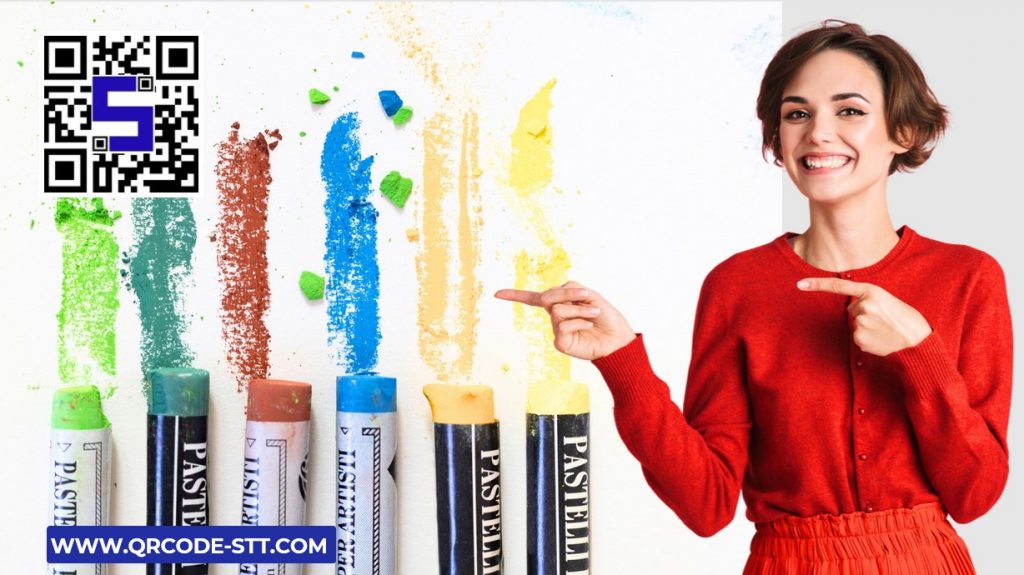
In the world of textiles, dye shade cards have always played a central role. They are the bridge between dye manufacturers and the textile mills, dye houses, or brands who rely on them. For decades, shade cards have been the most trusted reference for color selection, dye matching, and recipe formulation. They are, in many ways, the face of a dye manufacturer’s identity.
But the industry has changed dramatically in recent years. Global supply chains, stricter sustainability requirements, and the demand for speed and transparency are reshaping how business is conducted. While shade cards remain indispensable, they have clear limitations in today’s fast-moving textile ecosystem. Once printed, they are static. They cannot hold all the technical information, compliance certificates, or process guidance that customers increasingly demand. Nor can they connect a buyer directly to the dye manufacturer’s technical team.
This is where digital tools step in — and among them, the most powerful yet simple one is the QR code. But not all QR codes are created equal. The regular ones we see on packaging or advertisements have serious limitations for professional use in textiles. They often depend on external hosting, domains, or pre-built websites. They come with recurring costs and restrictions on customization. In short, they are not designed for the complexities of the textile supply chain.
That is why STT QR Codes are a game-changer. Unlike ordinary QR codes, STT (Scan-to-Tell) QR Codes are self-sufficient. They don’t require hosting or a website. They can be fully branded by the manufacturer, and they directly connect the end user — whether a dye house, a textile mill, or a brand — with the dye manufacturer. With these unique advantages, STT QR Codes are transforming the humble dye shade card into an interactive, future-ready tool.
From Static to Dynamic: Overcoming the Limitations of Shade Cards
Think about the traditional shade card. It carries fabric swatches dyed in different shades, accompanied by a few technical notes. For a buyer or a dye house, it is a physical reference, nothing more. If the manufacturer updates a recipe, obtains a new eco-certification, or wants to share a process video, the printed shade card cannot reflect this. The only solution is reprinting, which is costly and unsustainable.
Even when manufacturers tried to integrate regular QR codes into their shade cards, the benefits were limited. Most QR solutions link to a website, which requires continuous hosting, design, and maintenance. For many manufacturers, especially those who want to focus on chemistry and service rather than IT, this becomes an unnecessary burden.
STT QR Codes change this equation completely. Since they do not rely on external hosting or pre-built websites, the information embedded in them is self-contained and permanent. At the same time, they allow manufacturers to update and customize what the end user sees, without the headaches of managing domains or servers.
The STT QR Code Advantage
So, what makes STT QR Codes so different and valuable for shade cards?
First, they are brand-customizable. A dye manufacturer does not need to rely on generic, anonymous QR codes. Instead, the STT QR Code can be designed and styled to reflect the company’s brand identity, logo, and color scheme. The QR itself becomes part of the brand presence on the shade card.
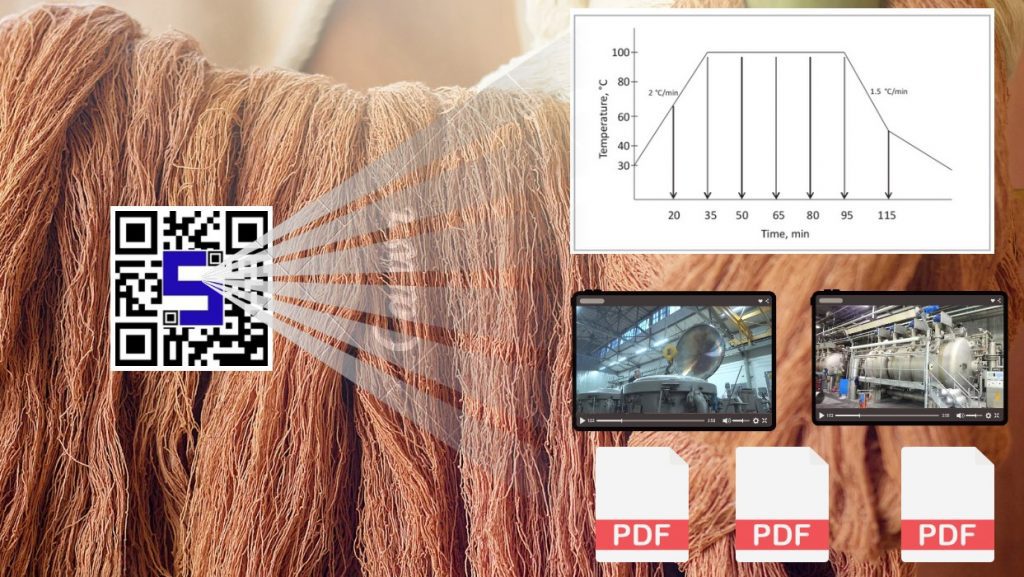
Second, they are multimedia-ready. With a simple scan, a customer can access detailed recipes, technical data sheets, safety information, eco-certifications, and even video tutorials. For instance, a dye house struggling with lab-to-bulk consistency can scan the QR and instantly access a process guide or troubleshooting video prepared by the manufacturer’s technical team.
Third, they are directly connected. Unlike ordinary QR codes that often lead to a static webpage, STT QR Codes enable direct communication. A buyer scanning the shade card can immediately connect with the manufacturer through WhatsApp, email, or an inquiry form. This shortens communication loops and builds stronger relationships between suppliers and customers.
Finally, they are future-proof. With regulations like the European Union’s Digital Product Passport (DPP) on the horizon, transparency and traceability will no longer be optional. STT QR Codes align perfectly with this need. They allow manufacturers to attach compliance documents, certifications, and traceability data directly to the shade card, ensuring they stay ahead of evolving requirements.
Why Every Shade Card Needs One ?
In today’s textile industry, speed, trust, and transparency are everything. A dye house cannot afford delays caused by unclear recipes or missing technical data. A brand cannot take risks with compliance documents that are outdated or inaccessible. And manufacturers need smarter ways to engage customers without adding costs.
By integrating STT QR Codes into shade cards, all these challenges are addressed. The once static card becomes a living document. The customer holding it has instant access to the most recent data, certifications, and guidance. If a recipe changes, there is no need to reprint the card — the QR code ensures the customer always has the latest version.
This not only improves efficiency but also builds trust. When a buyer scans a shade card and instantly sees that the manufacturer provides transparent, up-to-date, and easily accessible information, confidence in that manufacturer grows. In competitive textile markets, that trust can be the deciding factor.
Benefits for the Whole Value Chain
The advantages of STT QR Codes extend across the entire textile ecosystem.
For dye manufacturers, the benefits are obvious: stronger branding, reduced costs of reprinting, and deeper customer engagement. Shade cards with STT QR Codes become marketing tools, technical service tools, and compliance tools all at once.
For dye houses and mills, the value lies in efficiency. Instead of relying on printed notes or chasing technical teams for clarifications, they get instant access to recipes, process instructions, and even video demonstrations. This reduces trial-and-error, shortens lead times, and improves quality consistency.
For brands and retailers, the impact is even greater. With sustainability and traceability now at the heart of fashion and textile sourcing, brands need evidence at their fingertips. A QR-enabled shade card provides them with eco-certifications, compliance documents, and Digital Product Passport data with a single scan. This transparency strengthens trust in the supply chain and helps brands meet their sustainability commitments.
Practical Integration into Shade Cards
One of the key advantages of STT QR Codes is that they can be seamlessly integrated into existing shade card formats. They do not require redesigning the entire card or compromising on aesthetics. A carefully placed, branded QR code enhances the card’s functionality without distracting from the color swatches or layout.
Best practices include placing the QR in a visible yet uncluttered spot, ensuring scan ability under normal lighting, and maintaining consistent branding across all cards. Manufacturers can also create strategies for what content to prioritize — for example, eco-certificates for brands, recipes for dye houses, or application guides for mills.
Conclusion
The textile industry is evolving, and so must its tools. Dye shade cards will always remain a physical reference, but in their traditional form, they are no longer enough. The industry demands interactivity, transparency, and connectivity — and this is exactly what STT QR Codes deliver.
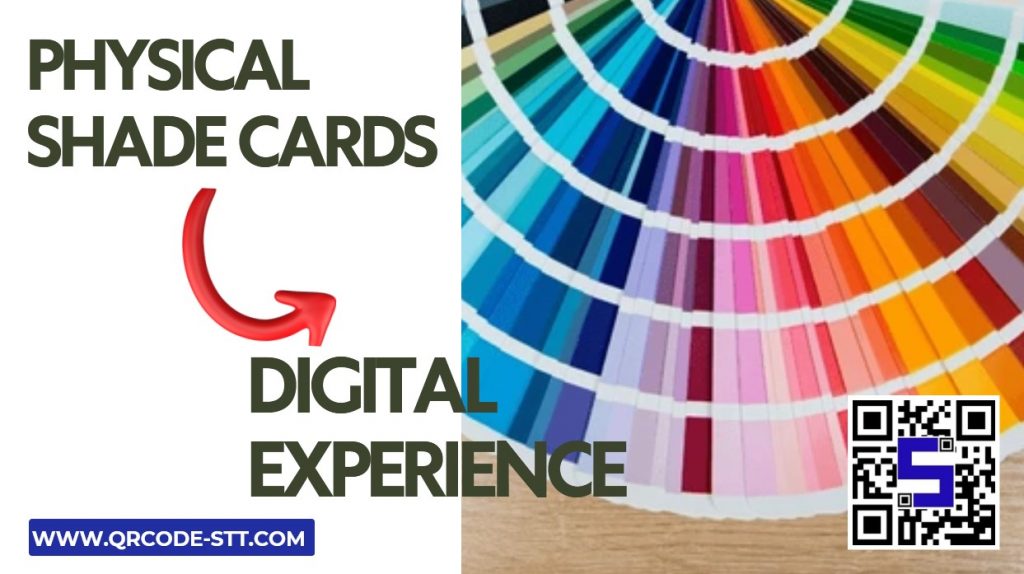
By embedding STT QR Codes into shade cards, manufacturers transform them from static samples into dynamic, interactive platforms that support communication, compliance, and customer engagement. They empower dye houses with instant technical support, give brands the transparency they need, and allow manufacturers to strengthen their identity without additional IT costs.
In short, QR codes on dye shade cards are no longer optional — they are a necessity. And with STT QR Codes, the industry has the right tool to make shade cards not just relevant, but central to the digital future of textiles.